|
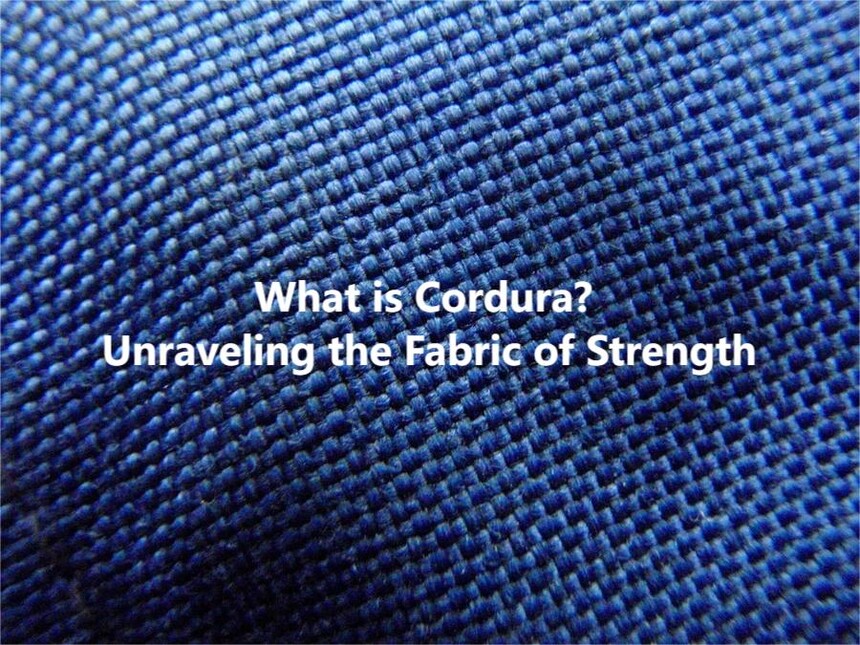
What is Cordura?If you've ever found yourself standing in an outdoor gear shop, browsing through countless options of backpacks, jackets, or tactical pants, you've likely come across the term "Cordura". You might have wondered, just like I did the first time, "What on earth is Cordura?" Well, we're about to embark on a journey to unravel the mystery behind this magical fabric. Cordura is not just a fabric—it's an experience, a companion that sticks with you through thick and thin. With qualities like durability and resistance that make it a favorite among industry leaders, Cordura seems to be everywhere. From military gear to everyday items, this fabric has proven itself time and again in the harshest conditions, truly making a mark in the fabric world. This post is going to serve as your guide into the world of Cordura. We'll share everything you need to know about this versatile material.We'll explore whether it's waterproof, how it's made, and some myths that have been circulating about it. By the end of this journey, you'll be well-equipped with the knowledge you need to make an informed choice about Cordura products.
A. Composition of Cordura Fabric At its heart, Cordura is a type of nylon, but it's no ordinary nylon. The strength of Cordura comes from its unique blend of woven fibers. Cordura utilizes high-tenacity air jet textured nylon 6,6 filament yarns, which is a mouthful, but it basically means that it's incredibly tough. What's special about Cordura's fibers is their high-strength capacity. You see, each fiber in Cordura's fabric is engineered for maximum toughness. These fibers are intricately woven together, creating a material that's stronger and more resilient than most fabrics out there. It's also worth noting that while the classic Cordura fabric is made from nylon, the brand has branched out to incorporate other materials as well. So today, you might find Cordura fabric that's been blended with cotton, polyester, or other types of nylons, each offering their unique benefits. B.Why is Cordura Durable? One of the main reasons we've all heard about Cordura is its exceptional durability. But what makes Cordura so strong and resilient? The secret lies in the combination of its composition and manufacturing process. The fibers used in Cordura are high-tenacity, which means they have a high resistance to tension and stretching. This high tenacity, combined with air-jet texturing, adds significant bulk and strength to the fibers. Furthermore, the distinctive weave pattern used in Cordura's fabrication not only enhances its durability but also improves its resistance to abrasions, rips, and tears. The end result? A robust, hard-wearing fabric that doesn't wear out or fade easily, even under the most challenging conditions. If you've ever owned a piece of gear made from Cordura, you'll know exactly what I mean. Its ability to withstand rough use over long periods is nothing short of impressive! C. Different Types of Cordura A. 500D Cordura This variant of Cordura fabric is lighter and more flexible, making it perfect for applications where weight and flexibility are paramount. Its impressive strength-to-weight ratio makes it a popular choice for making backpacks, bags, and certain types of military gear. B. 1000D Cordura This is the most common type of Cordura fabric and is known for its unmatched durability and resistance to abrasions, tears, and scuffs. 1000D Cordura is used extensively in manufacturing outdoor gear, military wear, and heavy-duty luggage. C. 1050D Ballistic Cordura As the name suggests, 1050D Ballistic Cordura is specifically designed to withstand rigorous and extreme conditions. It's characterized by its glossy finish and robust weave, and is often used in high-impact areas of tactical and military gear due to its extraordinary resistance to abrasion. D. Cordura HP Cordura HP, or High Performance, is a variant of Cordura fabric designed for applications where both durability and aesthetics are important. It's characterized by its bright colors and shiny finish, and is popularly used in making backpacks, luggage, and fashion accessories. E. Cordura Denim Cordura Denim combines the comfort and style of traditional denim with the durability and strength of Cordura fabric. It is often used in the manufacturing of durable jeans and jackets that require a blend of fashion and function. D. Waterproof Nature of Cordura Cordura, in its standard form, isn't fully waterproof, but it is highly water-resistant. What does that mean? Essentially, while it won't keep water out indefinitely, it does an excellent job of preventing water from soaking through for a significant period. This water resistance is mainly due to the tight weave of the nylon 6,6 fibers used in Cordura fabric. The close-knit pattern leaves very little room for water to pass through. However, if you submerge a piece of Cordura in water, or if it's exposed to heavy rainfall for an extended period, water might eventually seep through. It's worth mentioning that many Cordura-based products, like outdoor gear and luggage, often come with additional waterproof coatings or treatments. These treatments enhance the natural water resistance of Cordura, making it more suitable for use in wet environments.
|